
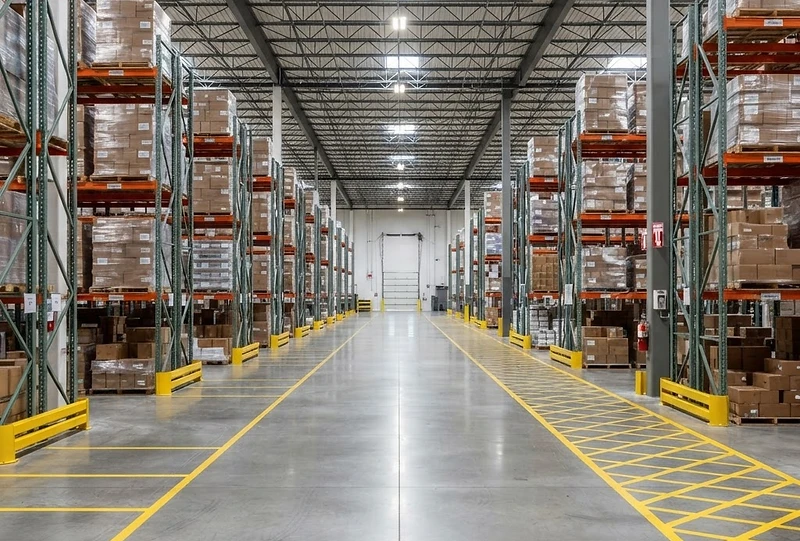
Warehouse Cleaning for Safer, More Productive NJ Facilities
A clean warehouse supports clear aisles, equipment visibility, inventory protection, and smoother daily operations.
Seasonal savings, spotless spaces.
Get occasional cleaning tips and members-only promotions.
Build cleaning around operations
Receiving, picking, packing, production, and shipping create different debris patterns. Map tasks to shift changes, traffic windows, and equipment routes so cleaning supports throughput rather than blocking it.
Keep aisles and docks controlled
Shrink wrap, cardboard, pallet fragments, dust, and tracked water can create trip or traction concerns. Assign routine patrols and clear escalation procedures for spills or hazards that require trained response.
Manage dust from high to low
Racking, beams, pipes, and ledges can release settled dust onto inventory and work zones. High dusting requires appropriate access equipment, fall protection practices, and coordination to keep people and products clear below.
Define specialized boundaries
Routine janitorial or floor cleaning is distinct from hazardous-material response, machinery maintenance, combustible-dust mitigation, and regulated waste handling. Contracts should state responsibilities, exclusions, and emergency contacts clearly.
Frequently asked questions
How often should warehouse floors be cleaned?
Frequency depends on traffic, process debris, dock exposure, floor type, and operational risk; many sites use daily sweeping plus scheduled scrubbing.
Does warehouse cleaning include hazardous spills?
Not unless specifically scoped to properly trained and equipped specialists under applicable procedures.